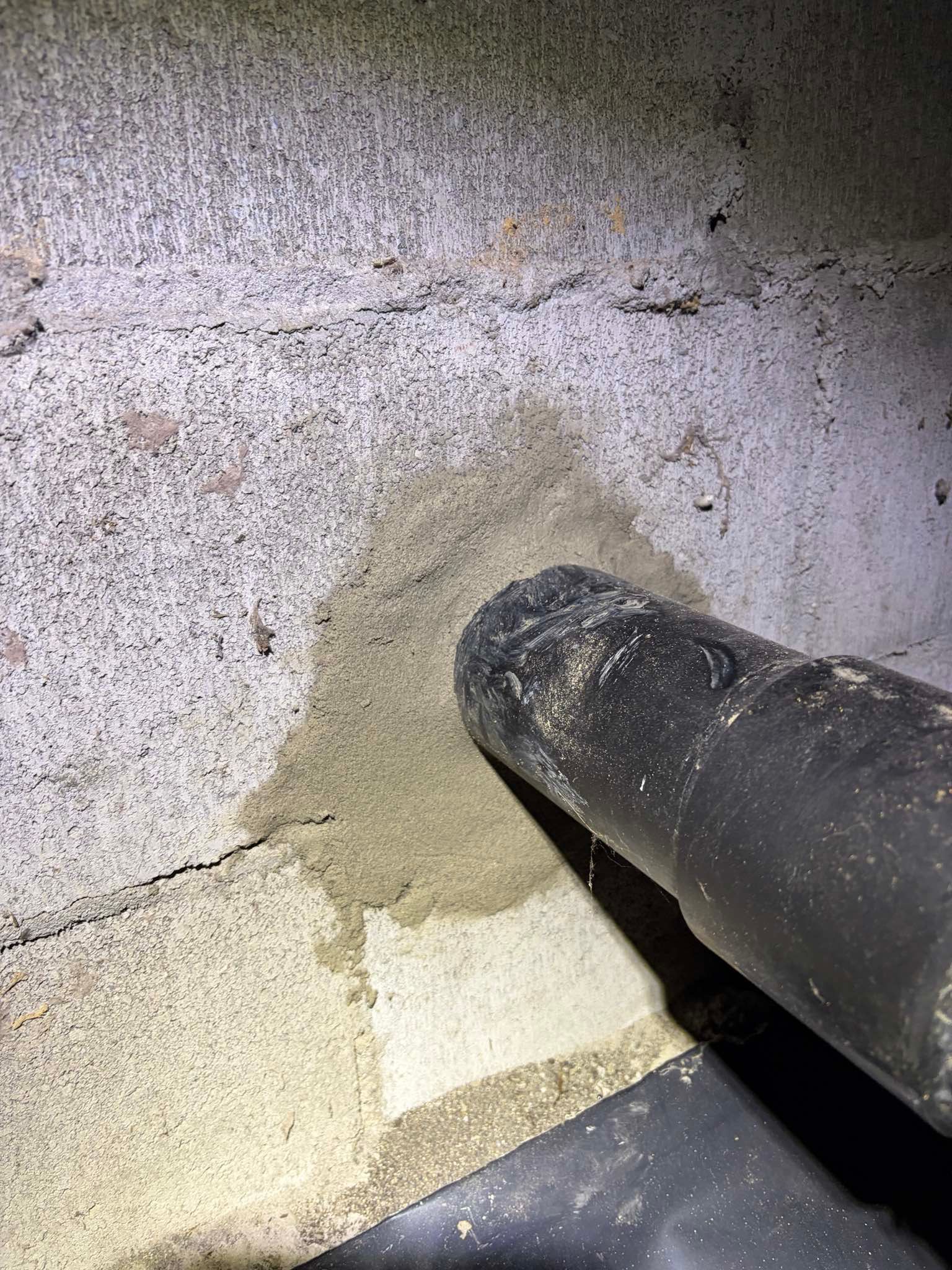
What is Exclusion and why is it important?
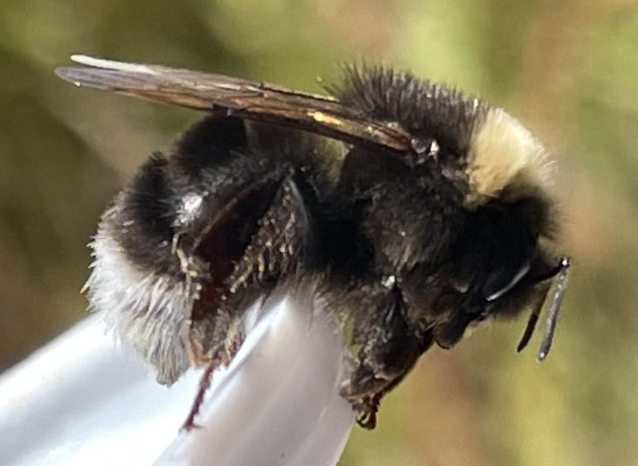
The Importance of Native Bees in Western Washington Western Washington's temperate climate and diverse ecosystems—from coastal prairies to alpine meadows—provide an ideal habitat for over 600 species of native bees. These bees are especially adapted to local conditions. For instance: - Mason bees, among the earliest pollinators to emerge in spring, are highly effective at pollinating fruit trees. - Bumblebees, with their large, fuzzy bodies, can perform “buzz pollination”—a technique necessary for crops like tomatoes. - Sweat bees and mining bees thrive in undisturbed soils, making them common in natural areas and organic farms. Unlike honeybees, most native bees are solitary and do not live in hives. They nest in the ground, in hollow plant stems, or in wood crevices. This behavior makes them especially vulnerable to soil disturbance, habitat fragmentation, and chemical exposure. Protecting Native Bees: Habitat and Regulation Local governments, conservation groups, and community scientists in Western Washington are working to protect bee populations through several key strategies: - Habitat Preservation and Restoration: Efforts to restore meadows, preserve urban green spaces, and maintain roadside wildflower corridors have become vital for native bee survival. Programs such as the Xerces Society’s “Pollinator Conservation Program” help educate landowners and agencies on planting native flowering species and maintaining undisturbed nesting areas. - Limiting Pesticide Use: One of the most direct threats to bees is pesticide exposure. Neonicotinoids, in particular, have been linked to bee population declines. Washington State has taken steps to restrict certain harmful pesticides and educate the public on alternative pest control methods. WSDA certified pest control technicians are well informed and advocates for the protection of our native pollinators. - Community Engagement and Citizen Science: Initiatives like the Pacific Northwest Bumble Bee Atlas encourage volunteers to monitor and report bee sightings, building a clearer picture of bee diversity and abundance. The Role of Responsible Pest Control in Bee Conservation Pest control companies are increasingly stepping up to play a constructive role in protecting pollinators. In Western Washington, responsible pest control is centered around Integrated Pest Management (IPM), a strategy that prioritizes prevention and non-chemical solutions. Responsible pest control strategies include: 1) Targeted Treatments Rather than blanket spraying, professionals identify specific pests and treat only affected areas, minimizing the risk of harming beneficial insects. 2) Use of Bee-Safe Products Pest control services are using products and techniques with lower toxicity to pollinators, especially during bloom times when bees are most active. 3) Education and Outreach Many pest control professionals now educate their clients on how to attract pollinators while managing pest issues, encouraging practices like planting pollinator gardens and avoiding harmful lawn chemicals. What You Can Do?? Individuals play a vital role in protecting native bees. Here are a few simple steps: 1) Plant native flowers that bloom at different times of the year. 2) Avoid using pesticides without careful research. 3) Provide nesting habitat by leaving patches of bare ground or creating bee hotels. 4) Support local, bee-friendly farms and businesses. Local beekeepers should be contacted to safely remove and relocate nests once they have been positively identified as a true bee. The native bees of Western Washington are quiet custodians of biodiversity, food security, and natural beauty. Their survival depends not only on wild spaces but on how we manage our gardens, farms, and even our pest control choices. As awareness grows, so too does the network of farmers, scientists, businesses, and homeowners working together to ensure a thriving future for these essential pollinators.
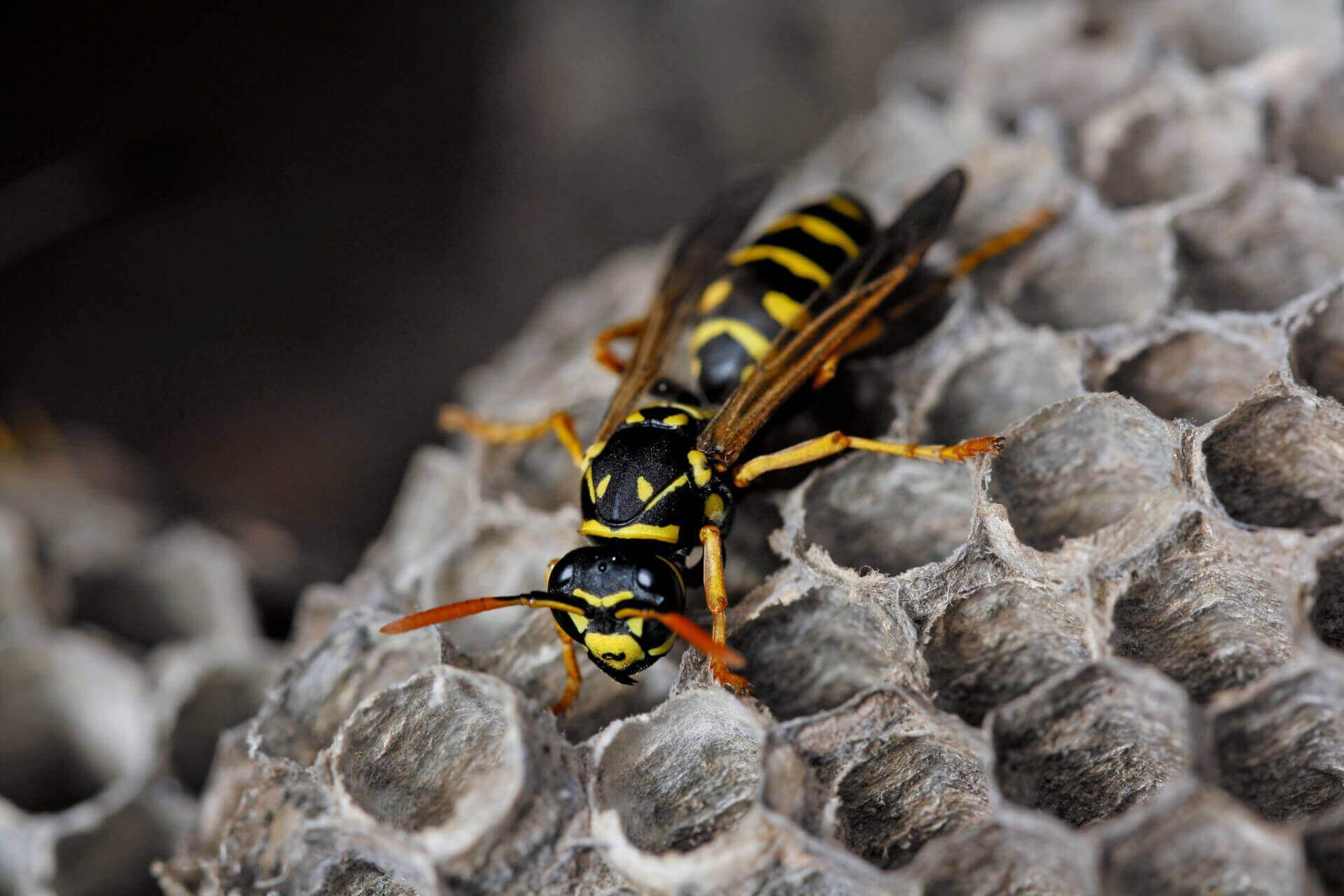
Paper Wasp Activity Around Houses in the Springtime in Stanwood, WA
This is a subtitle for your new post
Camano Island: Island Spring Pest Protection Camano Island blooms on February 25, 2025, but its island seclusion doesn’t stop pests. The moist forests and beaches draw rodents and ants, while spiders nest in cozy cabins. Wasps buzz around waterfront homes as spring warms up. A spring inspection checks for pest hideouts—like rodent burrows or spider webs—unique to this island setting. Preventative treatments, such as sealing and eco-friendly sprays, keep Camano homes pest-free, preserving your island getaway as spring unfolds. Ferndale: Spring Pest Control to Safeguard Your Home As spring blooms in Ferndale on February 25, 2025, it’s time to think about protecting your home from spiders, ants, rodents, and wasps. Being nestled near the Nooksack River and surrounded by farmland, creates a perfect storm for pest activity. The moist riverbanks attract rodents seeking water and shelter, while the sprawling fields provide ample breeding grounds for ants and wasps. Spiders thrive in Ferndale’s older homes and barns, spinning webs in quiet corners as temperatures rise. A spring inspection can identify entry points—cracks in foundations or gaps in wooden siding—before these pests settle in. Preventative treatments, like sealing and spraying eco-friendly barriers, stop infestations early, keeping your home safe from the rural pest surge that defines Ferndale’s spring. Blaine: Why Spring Pest Prep Matters in This Border Town Blaine residents, mark February 25, 2025, as the day to schedule your spring pest inspection! This coastal border town, with its proximity to Peace Arch Park and the salty breezes off Drayton Harbor, faces unique pest challenges. The damp, maritime climate encourages spiders to nest in basements and attics, while ants—especially odorous house ants—invade homes near the park’s lush greenery. Rodents, drawn to Blaine’s mix of urban and natural spaces, sneak in through gaps near waterfront properties. Wasps, meanwhile, build nests under eaves as spring warms up. An inspection now spots these trouble zones, and preventative treatments can block pests before they cross the threshold—or the border—into your home. Bellingham: Spring Pest Control for a Pest-Free Bay City Spring has arrived in Bellingham by February 25, 2025, and with it comes the need for a pest inspection and treatment. This vibrant city, hugging Bellingham Bay and flanked by forests, is a hotspot for spiders, ants, rodents, and wasps. The wet, forested areas around Lake Whatcom breed rodents and ants, which migrate into homes as they forage. Spiders flourish in the damp crawlspaces of older Craftsman houses, while wasps buzz around the bay’s waterfront decks. A thorough spring check can catch these invaders early—think rodent droppings or spider webs—before they multiply. Preventative measures, like perimeter sprays and sealing entry points, keep Bellingham homes pest-free as spring unfolds. Bow: Protect Your Rural Retreat with Spring Pest Control In Bow, where spring dawns the rural charm of sprawling fields and proximity to Chuckanut Drive hides a pest problem waiting to emerge. Surrounded by farmland, Bow homes face invasions from ants thriving in soil-rich gardens and rodents nesting in barns. Spiders spin webs in the quiet corners of rustic properties, and wasps buzz near orchards as temperatures climb. A spring inspection pinpoints vulnerabilities—like unsealed vents or gaps in siding—unique to Bow’s countryside setting. Preventative treatments, such as baiting ant colonies and treating wasp hotspots, ensure your peaceful retreat stays that way, free from the pests that love this agrarian nook. Anacortes: Spring Pest Defense for Your Island Gateway Anacortes, gateway to the San Juan Islands, welcomes spring on February 25, 2025—and a surge of pest activity. The city’s coastal climate and wooded areas around Washington Park draw spiders to damp basements and attics. Ants march in from the rocky beaches, while rodents scamper from nearby forests into homes. Wasps, loving Anacortes’ mix of sunny decks and shady trees, start nesting early. A spring inspection can reveal hidden entry points—like cracks near waterfront foundations—before pests take hold. Preventative treatments, including eco-friendly sprays and sealing, protect your home from the island-inspired pest boom that spring brings to Anacortes. Coupeville: Keep Whidbey’s Historic Homes Pest-Free This Spring Spring arrives in Coupeville on February 25, 2025, and with it, a call to action for pest control in this historic Whidbey Island town. The old wooden homes along Front Street, combined with the damp Puget Sound air, are spider havens. Ants thrive in the fertile soil of nearby farms, infiltrating kitchens, while rodents seek warmth in aging structures. Wasps buzz around the waterfront, drawn to the mix of salty air and sunny eaves. A spring inspection checks for pest signs—like rodent chew marks or spider webs—in these vintage homes. Preventative treatments shore up defenses, keeping Coupeville’s charm intact and pest-free. Langley: Spring Pest Control for a Coastal Hamlet Langley’s picturesque seaside setting comes alive on February 25, 2025, but so do spiders, ants, rodents, and wasps. This Whidbey Island gem, with its damp bluffside homes and lush gardens, is prime pest territory. Spiders nest in cozy attics, ants invade from the rich soil, and rodents sneak in from the wooded outskirts. Wasps love Langley’s sunny decks overlooking Saratoga Passage. A spring inspection spots these threats early—think ant trails or wasp nest beginnings—while preventative treatments, like sealing gaps and spraying barriers, keep your quaint retreat pest-free as the season blooms.
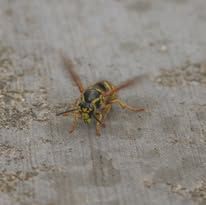
The Importance of Preventative Wasp Treatments Around the Home: A Guide to McPherson Pest Control’s Annual Service
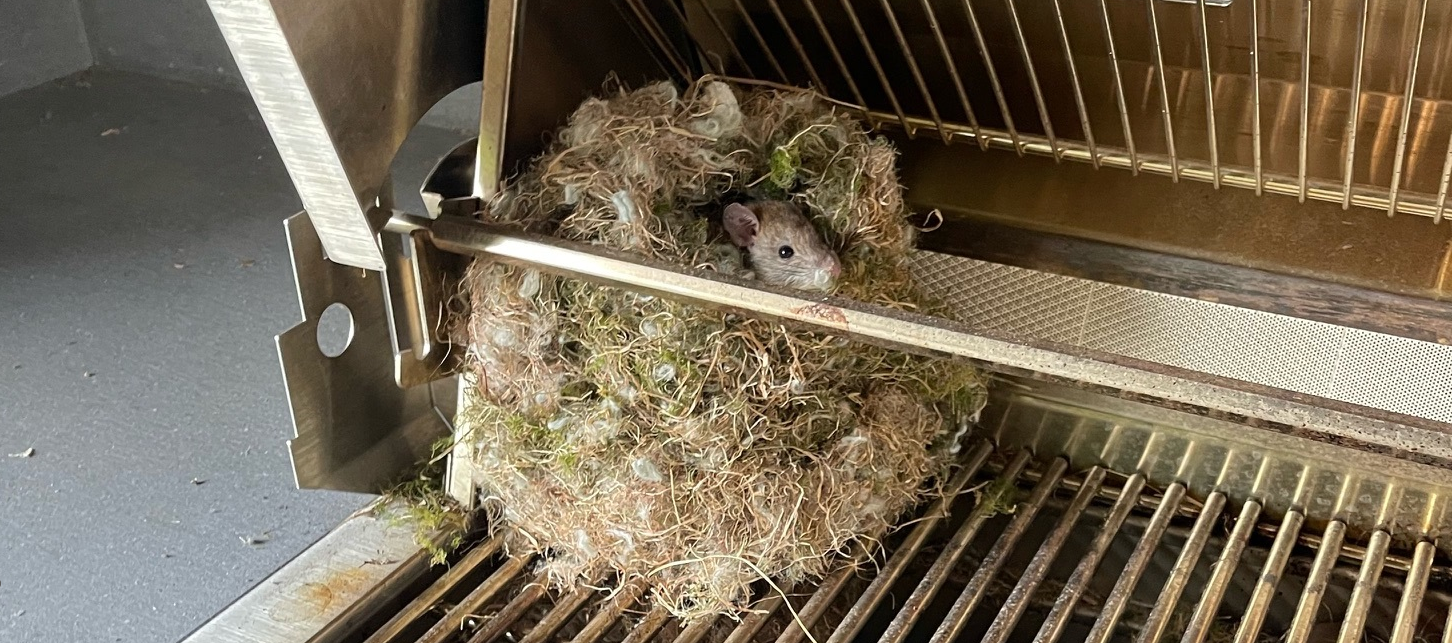
Rodent Problems in Edmonds, Washington: A Growing Concern for Our Community