Rodent Control in Ferndale, WA
February 18, 2025

February 18, 2025

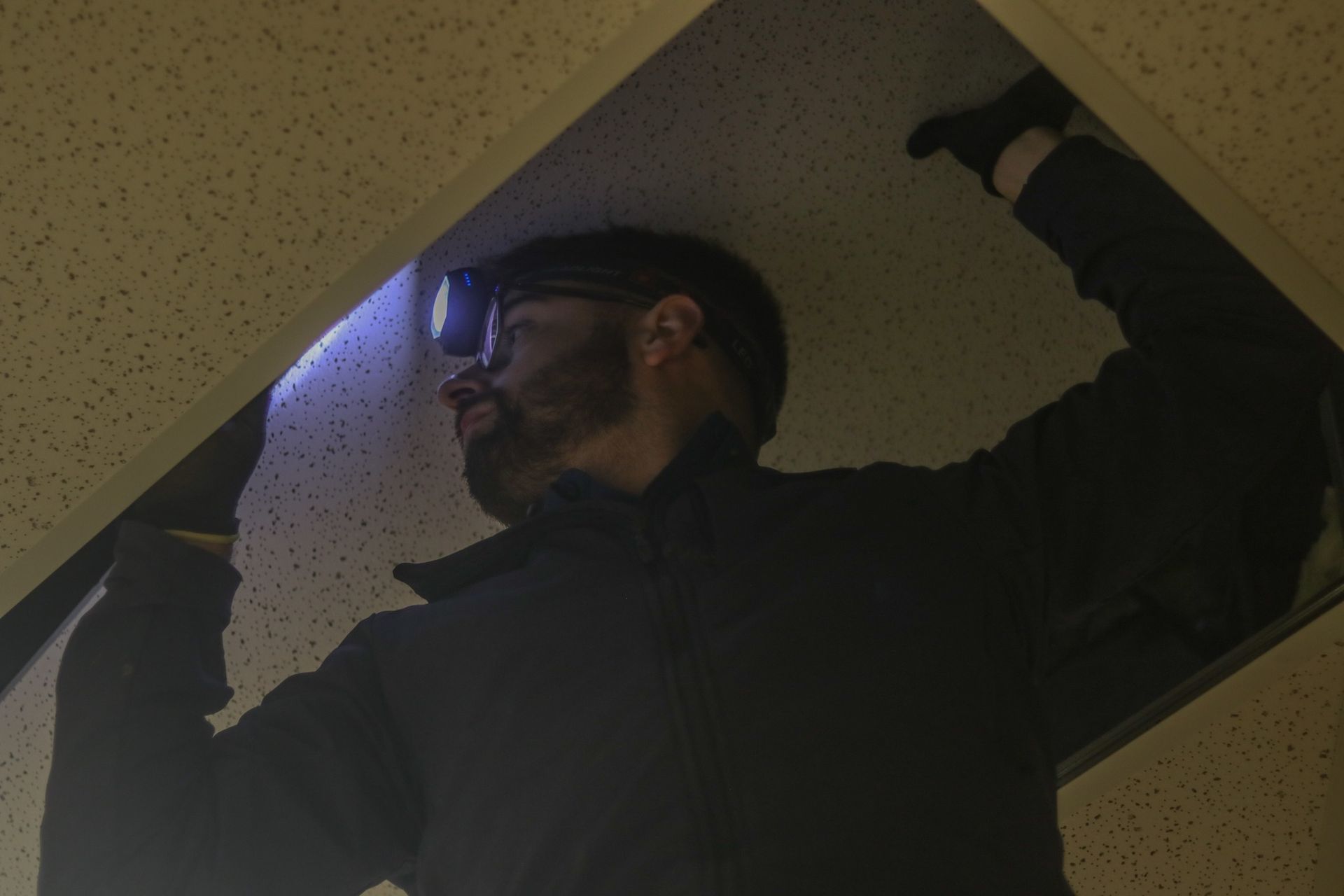
Person in a dark jacket and glasses reaching up inside a ceiling opening, lit by a flashlight.

The Role of Bird Feeders, Chicken Coops, and Wildlife Feeders

Ferndale residents love their birdwatching and feeding the local wildlife. Who doesn’t enjoy the sight of colorful songbirds visiting your backyard or watching a deer nibble from your wildlife feeder? But, while it's great for the animals, it can be a perfect setup for rodents. Birds and other critters often leave behind seeds, crumbs, and other tasty morsels that draw in rodents like rats and mice.

Rodents are opportunistic feeders, and they’ll gladly make a meal of any leftovers. So, if you have bird feeders or wildlife feeders, you may unknowingly be inviting rodents to dinner. Chicken coops are another hotspot for rodent activity. Not only do chickens leave grain behind, but rodents are also attracted to the warmth and shelter that a chicken coop can provide. Before you know it, you’ve got a rodent problem right in your own backyard.

The Dangers of Rodents: Diseases and Destruction

It’s not just the mess or the creepy factor that makes rodents a concern — it’s the diseases they can spread. Mice and rats are known to carry a variety of harmful diseases such as hantavirus, leptospirosis, salmonella, and lymphocytic choriomeningitis virus (LCMV). These diseases can pose a serious health risk to you, your family, and even your pets.

Rodents also wreak havoc on your property. They chew on wires, insulation, and structural materials, which can cause costly damage. If they get into your attic or walls, the damage can go unnoticed until it’s too late. A rodent problem isn’t something you want to let fester, especially if you're worried about the safety and cleanliness of your home.

Rodent Activity and Development in Ferndale

As Ferndale continues to grow, with new restaurants, housing developments, and businesses popping up, the local rodent population is taking notice. Development in any area disrupts the natural balance of wildlife, and rodents will seek out new food sources and shelter, often moving closer to residential and commercial spaces. As more homes are built, especially in areas that were once farmland or wooded areas, rodents are moving in, looking for the warmth and food they need to thrive.

Restaurants in particular provide an easy food source for rodents. With food scraps from kitchens and diners, rodents will naturally find their way into the area. This creates a perfect storm for rodent activity that can affect both businesses and nearby homes.

Agriculture, Livestock, and Rodents in Ferndale

Agriculture is a big part of life in Ferndale, and with the abundance of crops and livestock comes another set of challenges when it comes to rodent control. Rodents love to nest in barns and fields, where they can feed on stored grains and crops. If you have livestock, rodents are also attracted to the food and bedding areas.

Farmers and ranchers have to take extra precautions to keep rodents from spreading diseases to livestock or contaminating food supplies. Rodents can also cause damage to equipment and property on farms, making it critical to keep the population under control.

Inspections, Exclusion Work, and Prevention

So, what’s a homeowner or business owner to do when they’re dealing with an increase in rodent activity? The first step is to schedule a professional rodent inspection. An expert will be able to assess the situation, identify points of entry, and look for signs of nesting or damage. Based on the inspection, they'll recommend exclusion work, which is the process of sealing any holes or gaps in your property where rodents could get in. This step is essential to making sure your rodent problems don’t continue to escalate.

Prevention is key — it's important to store food properly, clean up debris around bird and wildlife feeders, and maintain a clean environment to discourage rodents from coming around. Keeping your property well-maintained and secured will go a long way in preventing an infestation.

How McPherson Pest Control Can Help

If you're having rodent issues in Ferndale or simply want to take preventative measures, McPherson Pest Control is here to help. With years of experience in the area, they understand the unique challenges local homeowners face when it comes to rodent control. Whether you’re dealing with a minor nuisance or a full-blown infestation, McPherson Pest Control can provide expert inspections, exclusion work, and treatment solutions to keep your home or business safe from rodents.

Don’t let these critters take over your space. Call McPherson Pest Control at 360-572-4118 for more information or to schedule your rodent inspection today!

By staying ahead of the problem and addressing rodent activity early on, you can protect your health, property, and peace of mind.
Click the link below to see how we can help!

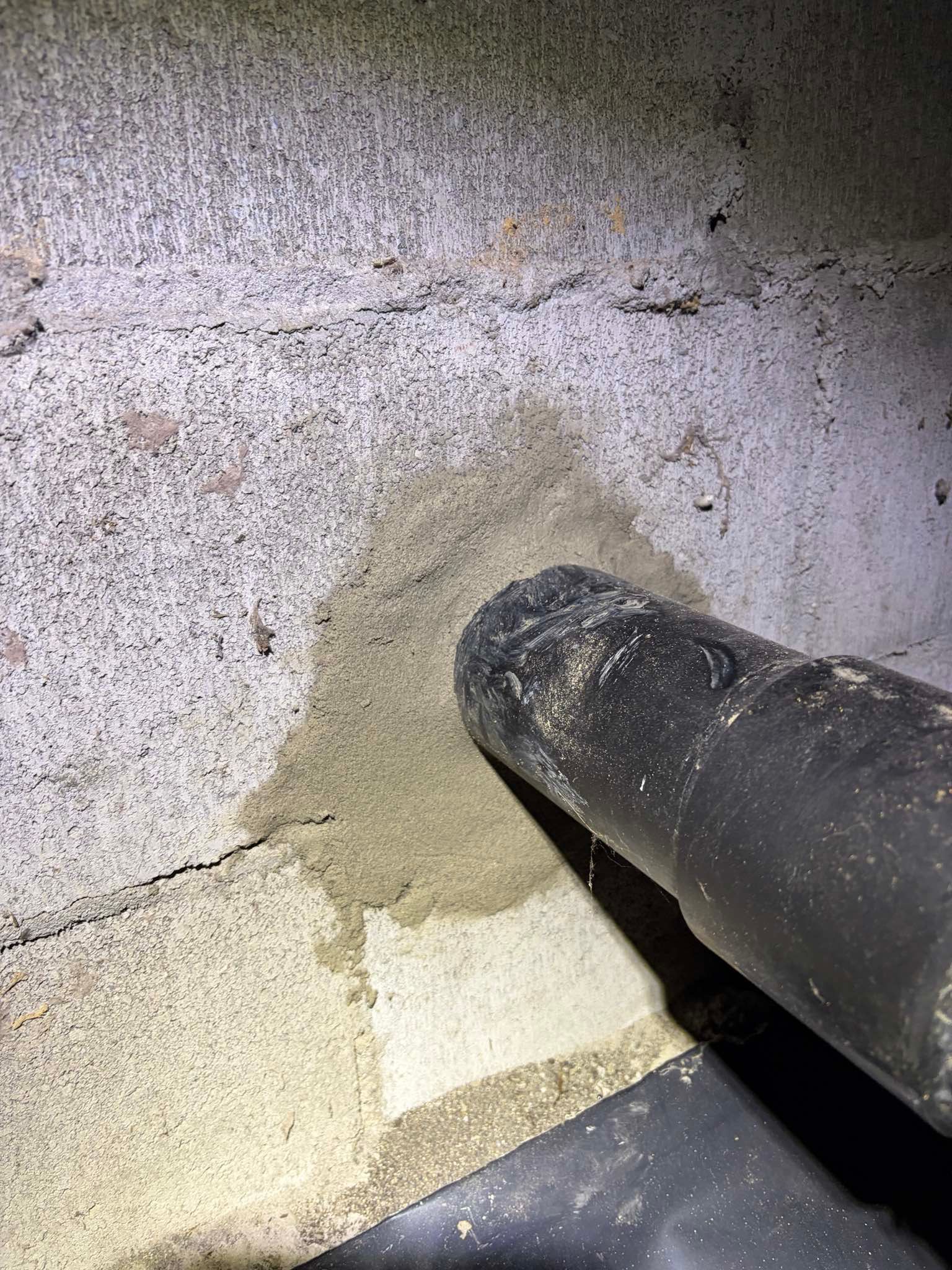
Black hose or pipe pressing into a small hole in a rough concrete wall beside a patch of mortar.
June 26, 2026
What is Exclusion and why is it important?
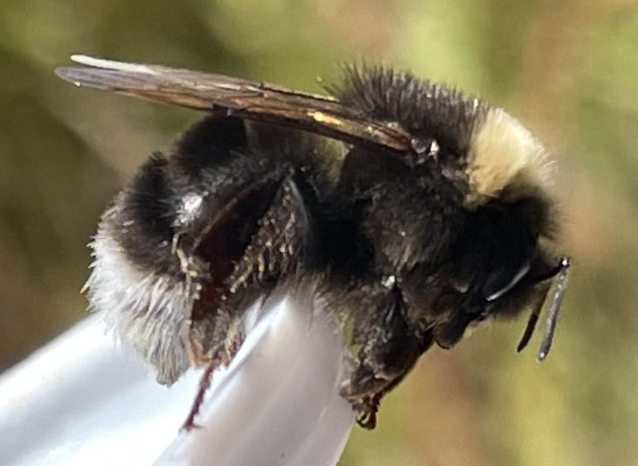
Close-up of a fuzzy black-and-yellow bee perched on a white stem against a blurred green background
April 30, 2025
The Importance of Native Bees in Western Washington Western Washington's temperate climate and diverse ecosystems—from coastal prairies to alpine meadows—provide an ideal habitat for over 600 species of native bees. These bees are especially adapted to local conditions. For instance: - Mason bees, among the earliest pollinators to emerge in spring, are highly effective at pollinating fruit trees. - Bumblebees, with their large, fuzzy bodies, can perform “buzz pollination”—a technique necessary for crops like tomatoes. - Sweat bees and mining bees thrive in undisturbed soils, making them common in natural areas and organic farms. Unlike honeybees, most native bees are solitary and do not live in hives. They nest in the ground, in hollow plant stems, or in wood crevices. This behavior makes them especially vulnerable to soil disturbance, habitat fragmentation, and chemical exposure. Protecting Native Bees: Habitat and Regulation Local governments, conservation groups, and community scientists in Western Washington are working to protect bee populations through several key strategies: - Habitat Preservation and Restoration: Efforts to restore meadows, preserve urban green spaces, and maintain roadside wildflower corridors have become vital for native bee survival. Programs such as the Xerces Society’s “Pollinator Conservation Program” help educate landowners and agencies on planting native flowering species and maintaining undisturbed nesting areas. - Limiting Pesticide Use: One of the most direct threats to bees is pesticide exposure. Neonicotinoids, in particular, have been linked to bee population declines. Washington State has taken steps to restrict certain harmful pesticides and educate the public on alternative pest control methods. WSDA certified pest control technicians are well informed and advocates for the protection of our native pollinators. - Community Engagement and Citizen Science: Initiatives like the Pacific Northwest Bumble Bee Atlas encourage volunteers to monitor and report bee sightings, building a clearer picture of bee diversity and abundance. The Role of Responsible Pest Control in Bee Conservation Pest control companies are increasingly stepping up to play a constructive role in protecting pollinators. In Western Washington, responsible pest control is centered around Integrated Pest Management (IPM), a strategy that prioritizes prevention and non-chemical solutions. Responsible pest control strategies include: 1) Targeted Treatments Rather than blanket spraying, professionals identify specific pests and treat only affected areas, minimizing the risk of harming beneficial insects. 2) Use of Bee-Safe Products Pest control services are using products and techniques with lower toxicity to pollinators, especially during bloom times when bees are most active. 3) Education and Outreach Many pest control professionals now educate their clients on how to attract pollinators while managing pest issues, encouraging practices like planting pollinator gardens and avoiding harmful lawn chemicals. What You Can Do?? Individuals play a vital role in protecting native bees. Here are a few simple steps: 1) Plant native flowers that bloom at different times of the year. 2) Avoid using pesticides without careful research. 3) Provide nesting habitat by leaving patches of bare ground or creating bee hotels. 4) Support local, bee-friendly farms and businesses. Local beekeepers should be contacted to safely remove and relocate nests once they have been positively identified as a true bee. The native bees of Western Washington are quiet custodians of biodiversity, food security, and natural beauty. Their survival depends not only on wild spaces but on how we manage our gardens, farms, and even our pest control choices. As awareness grows, so too does the network of farmers, scientists, businesses, and homeowners working together to ensure a thriving future for these essential pollinators.
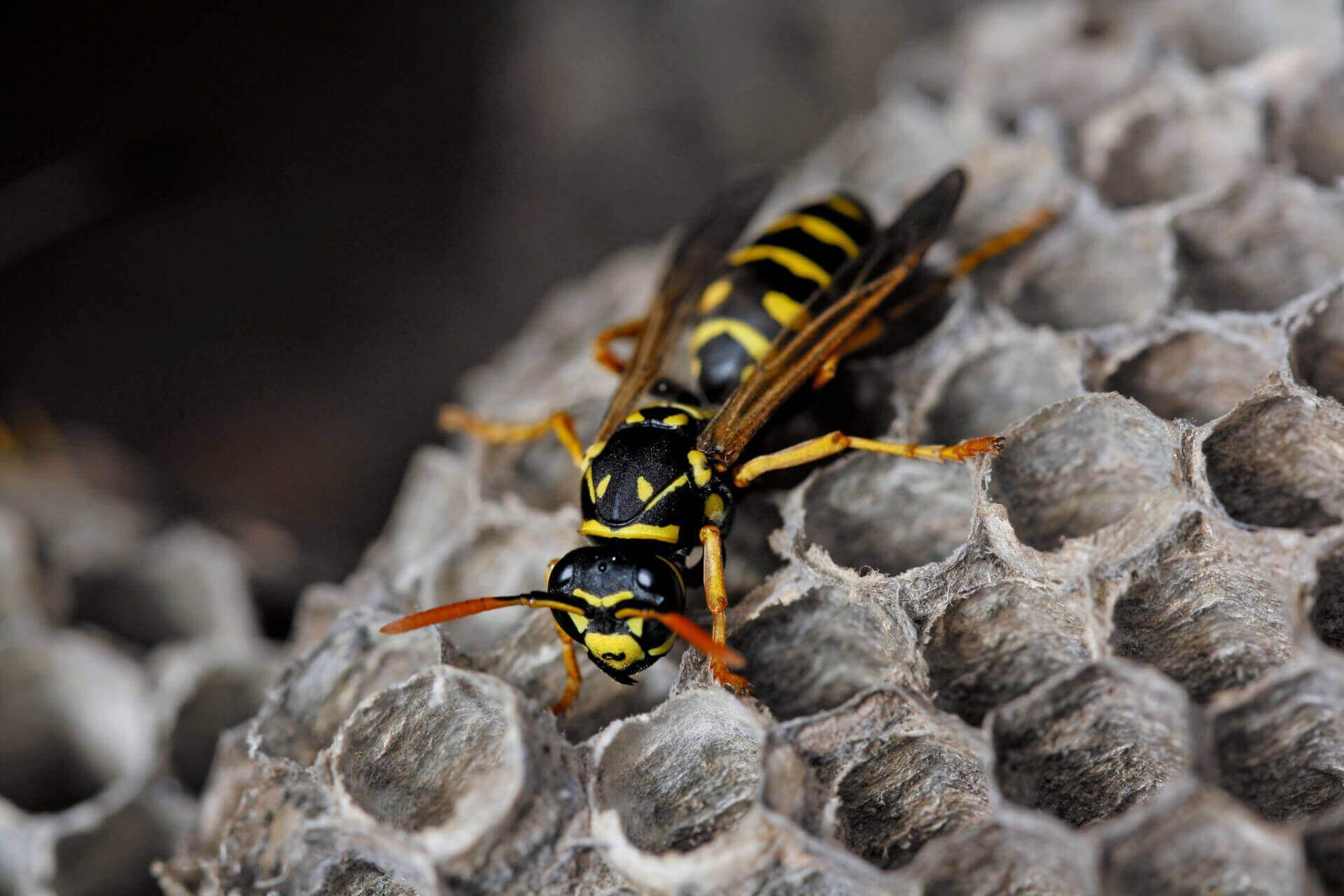
Yellow and black wasp on a gray honeycomb nest
April 9, 2025
Paper Wasp Activity Around Houses in the Springtime in Stanwood, WA
Show More →