November 24, 2026
In this article, we explore the critical role that access to local rodent control plays in maintaining healthy communities. We delve into the common questions and concerns associated with effective rodent management, addressing key topics that are frequently raised by individuals and organizations alike.
How Does Rodent Control Benefit Public Health?
Rodent control significantly contributes to public health by mitigating potential health risks that rodents pose to humans. Rodents are known carriers of numerous diseases that can have severe impacts on human populations. Issues such as rat-bite fever, leptospirosis, and hantavirus infection are only a few examples of the diseases that rodents can transmit to humans. The presence of rodents in urban and rural areas can lead to increased occurrences of these diseases, affecting the health of community members and burdening local healthcare systems.
Moreover, rodents can exacerbate environmental health issues by contaminating food supplies and water sources. Preventing the spread of diseases is crucial, and rodent control measures help ensure that local communities are safeguarded against these risks. Effective rodent control also supports the work of local authorities in health protection. By integrating rodent management into public health initiatives, local governments can enhance community resilience against disease outbreaks, ensuring a healthier living environment for all residents.
Impact of Rodents on Human Health
Rodents affect human health primarily by spreading diseases. With urban areas densely populated with both humans and these pests, controlling their numbers is vital to ensuring safe habitats. Rodent infestations often bring about problems such as food contamination and structural damage, which invariably increase health risks to humans.
Preventing the Spread of Diseases
Rodent control is an essential strategy in safeguarding public health by preventing the transmission of bacteria and viruses carried by rodents. It is crucial for local health officials to actively participate in efforts designed to deter rodent populations.
What Are the Economic Impacts of Ineffective Rodent Control?
Ineffective rodent control measures can have significant economic repercussions on both macro and microeconomic scales. For instance, rodent infestations can lead to substantial infrastructure damage. They are notorious for chewing through electrical wiring, insulation, and even the framework of buildings, which increases maintenance costs dramatically. This leads to increased expenditures in public and private sectors to repair such infrastructure damages, often consuming resources that could be dedicated to other community initiatives.
Furthermore, rodents negatively affect local businesses by contaminating products, leading to losses in revenue and tarnishing business reputations. Particularly, businesses in the food and beverage industry face severe economic challenges when dealing with rodent infestations, as they may have to close down temporarily to address these issues. The agricultural sector is also hit hard, with rodents destroying crops, causing significant losses in produce, affecting the supply chain, and ultimately driving up prices. Investing in prevention strategies, such as regular inspections and community-based programs, is crucial.
According to the NPMA, there are 16,565 employer pest control firms operating across the United States, which highlights the robust industry dedicated to preemptive measures over reactive solutions.
Cost of Damage to Infrastructure
The economic burden of repairing infrastructure damaged by rodents is substantial. Governments and businesses must allocate considerable resources to repair and maintain structures compromised by these pests.
Impacts on Local Businesses
Local businesses can suffer from rodent infestations through direct damage to products and the premises themselves, as well as the resulting loss of consumer confidence, which can be devastating to their operations.
Why is Localized Rodent Control More Efficient?
Localized rodent control efforts have the distinct advantage of being tailored to the specific needs and dynamics of the local environment. Understanding the local ecosystem plays a crucial role in determining the most effective rodent control methods. Each region may harbor different rodent species with unique behaviors and nesting habits. As such, a one-size-fits-all approach is often less effective compared to targeted strategies that consider the specific ecological context.
Community involvement and awareness are pivotal to the success of localized rodent control efforts. By engaging community members and increasing their awareness of rodent risks and control measures, local authorities can foster community-driven initiatives that support public health goals. Additionally, localized efforts provide the benefit of timely responses, enabling quicker interventions that prevent infestations from spreading or becoming unmanageable. This proactive stance not only enhances efficiency but also leverages community resources, leading to more sustainable outcomes.
Understanding Local Ecosystems
Localized control allows for more precise interventions by focusing on specific species and behaviors of rodents. This approach is particularly effective in environments such as urban centers where diverse ecosystems interact closely.
Tailored Solutions for Specific Rodent Species
Identifying the particular species present and implementing suitable control measures ensures greater effectiveness and less environmental impact. Utilizing targeted solutions also minimizes the disruption of native species that may coexist in the area.
What Methods are Most Effective for Rodent Control?
Various methods are employed in rodent control, each with unique advantages that cater to different situations, making some more suitable than others depending on the context. Chemical control methods, for instance, are effective in rapidly reducing rodent populations but can come with environmental and health side effects. In contrast, biological and eco-friendly alternatives can often address concerns regarding the use of hazardous chemicals. Trapping and physical barriers are also standard methods and are particularly useful for immediate, site-specific interventions.
Integrated Pest Management (IPM) strategies blend multiple approaches to achieve sustainable results. IPM advocates for a combination of methods that consider an area's specific ecological makeup and available resources, ensuring minimized harm to non-target species and maximizing control efficiency. The NPMA underscores the importance of these diverse efforts, as illustrated by the numerous pest control firms committed to tailored solutions. By maintaining flexibility and adaptability, pest control efforts can remain both effective and environmentally conscious.
Chemical Control Methods
Chemicals are often employed for their effectiveness but must be handled responsibly to avoid adverse effects on the environment and non-target species. This balances effectiveness with sustainability.
Biological and Eco-friendly Alternatives
Using natural predators or bio-controls offers a greener way to manage rodent populations, reducing the need for harmful chemicals and fostering environments where natural population controls can thrive.
How Can Individuals Contribute to Rodent Control Efforts?
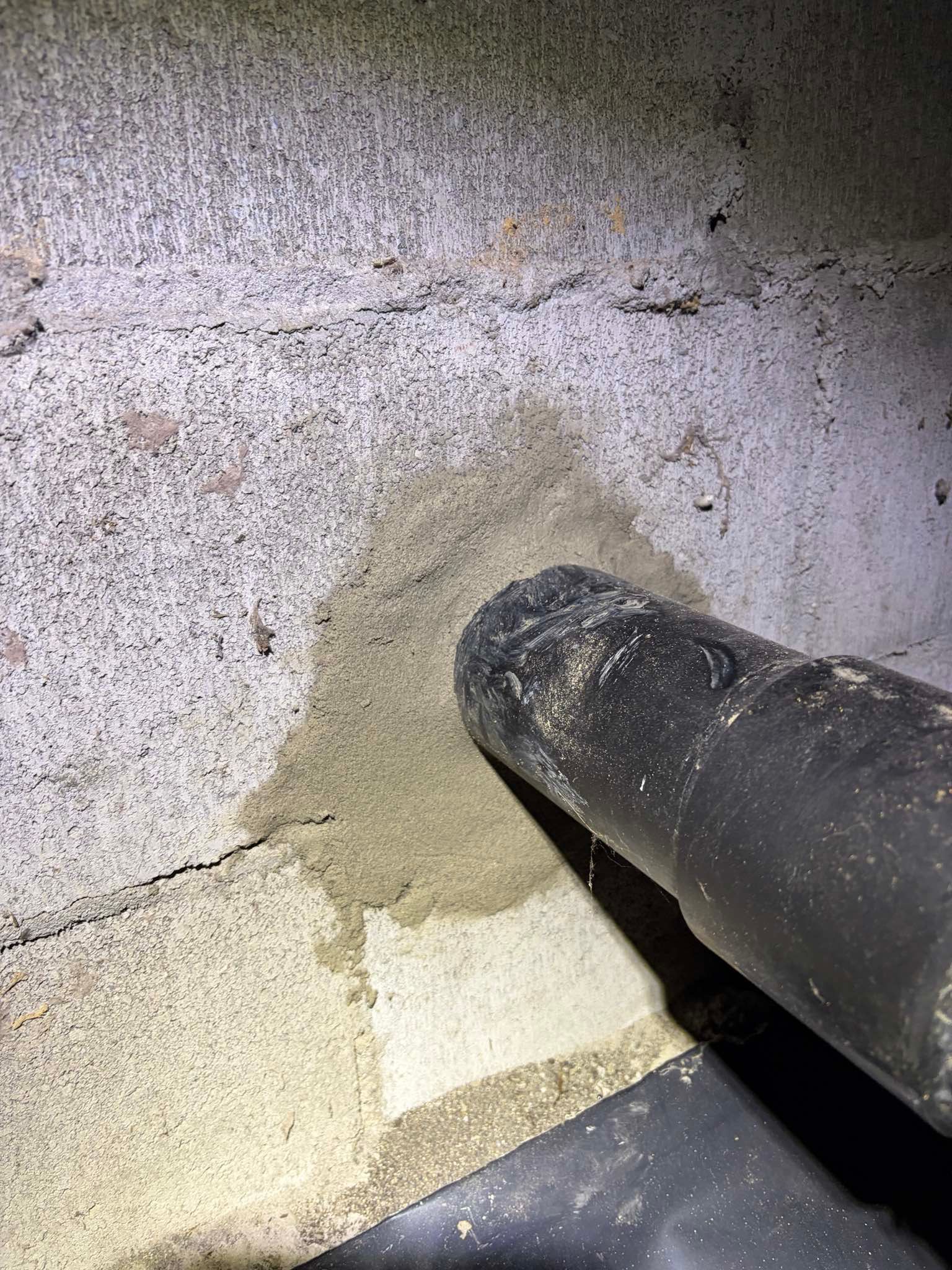
Individual actions play a crucial role in the broader scope of rodent control initiatives. One of the most effective ways individuals can contribute is by securing their homes and community premises against rodent entry. Simple measures like sealing cracks and holes, storing food securely, and maintaining clean surroundings can make a significant difference in deterring infestations.
Active participation in community-centered rodent control programs enhances the effectiveness of local efforts. By recognizing early signs of infestation and promptly reporting them, community members can help local authorities respond quickly and efficiently. Sharing information and resources with neighbors and participating in cooperative community efforts strengthens response capabilities and raises awareness, thereby promoting a unified front against rodent challenges.
Securing Personal and Community Premises
By ensuring homes are rodent-proof and minimizing potential food sources, individuals can significantly reduce the probability of infestations, contributing to overall community health and safety.
Recognizing Early Signs of Infestation
Individuals who are keen observers can spot early warning signs of rodent activity, such as droppings or gnaw marks, allowing swift intervention before problems escalate.
Accessing local rodent control is essential not just for individual households, but for the broader community well-being. By addressing common concerns and emphasizing the integral role each member of the community can play, we can significantly reduce the risks associated with rodent infestations and promote a healthier, safer environment. Reach out to McPherson Pest Control today to see how we can help you!